


How to Build a 10-Minute Morning Mindfulness Routine That Actually Sticks
Most people who try a morning mindfulness habit quit within a fortnight, and it is rarely down to a lack of discipline. More often, the routine they chose needs twenty-five minutes, a cushion, a silent house and a version of themselves that does not exist before seven in the morning. Ten minutes is genuinely enough to change the tone of a day, but only if the routine is built for the morning you actually have.
What follows takes three tools: your breath, your senses, and one honest intention. You can do it on the edge of the bed, in a kitchen chair, or on a train with your coat still on.
Why ten minutes, and why the morning
Short, regular practice tends to build more skill than occasional long sessions, because the habit itself is what carries the benefit. Ten minutes is easy to protect. It fits before the school run, before the inbox, before anyone needs anything from you.
Mornings also have a practical advantage: you are making decisions before the day has started making them for you. A routine at 9pm competes with dinner, dishes, messages and tiredness. A routine at 7am competes with very little, provided you deal with one thing first.
Put it before the phone
The single biggest threat to a morning routine is the phone. Checking it before you have arrived in your own body hands your attention to whoever emailed you last night.
So make the first move physical. Put the phone on charge across the room the night before, and use a separate alarm if you need one. Keep a glass of water where you will sit. Then sit down and begin. You are not banning the phone; you are simply giving yourself ten minutes ahead of it.
The ten minutes, minute by minute
- Minutes 1–2: arrive. Sit with your feet flat and your back reasonably upright. Feel the weight of your body in the chair and your hands resting on your legs. Unclench your jaw. Take three slower breaths, letting the exhale be a little longer than the inhale. You are not relaxing on command; you are simply noticing what is already there.
- Minutes 2–5: follow the breath. Let your attention rest on the breath — the cool air at the nostrils, or the movement of the belly. You can count each exhale up to ten and start again. Your mind will wander. That is not a failure; the moment you notice it has wandered is the practice. Return to the breath without a commentary on how badly you are doing.
- Minutes 5–8: move to your senses. This is where the routine earns its keep. Listen for the nearest sound, then the furthest one. Notice temperature, the fabric against your skin, the air on your face. Open your eyes and find one thing in the room you have not really looked at this week. Thinking gives way to perceiving, and the body usually settles.
- Minutes 8–9: set one intention. Choose a single word or short phrase for the day, framed around something you control. "Slow down before replying." "Ask instead of assuming." "Do the awkward email first." An intention is not a wish or a prediction; it is a direction of travel you can return to at lunchtime.
- Minute 10: close. One more full breath, repeat your intention once, then stand up. Resist the urge to assess how the ten minutes went. That assessment is just more thinking, and it is the fastest way to make the habit feel like a test.
A note on posture
You do not need to sit cross-legged on the floor, and you certainly do not need to be comfortable. You need to be alert enough to stay awake and relaxed enough not to strain. If you tend to drift off, sit forward, open a window, or do the routine standing while the kettle boils.
Making it stick: small design choices
- Anchor it to something you already do. After the kettle boils. After brushing your teeth. After you sit back down following the school drop-off. The anchor matters more than the clock time.
- Set a two-minute fallback. On chaotic days, do two minutes rather than nothing. The rule is never zero. A short session keeps the habit alive; a skipped one starts to unpick it.
- Leave your kit visible. If you have to build a space, you will skip it. A cushion by the radiator or a particular chair by the window is enough.
- Let the mind be busy. A noisy mind is normal. Aim for noticing, not for emptying anything.
- Attach something pleasant at the end. Coffee, daylight, a stretch. Whatever it is, it quietly teaches you that the routine is worth beginning.
- Keep it quiet for the first fortnight. Telling people can create a sense of having done it already. Give yourself two weeks before you make it public.
When it feels pointless
Boredom, restlessness and sleepiness are the three most common visitors, and each has a practical answer. If you are drowsy, sit up straighter, wash your face first, or move to a standing version. If you are restless, shorten the routine to breathing only and lengthen the exhale. If boredom shows up, get curious about the boredom itself: where do you feel it, and what is it made of?
If practice consistently brings up distressing memories or leaves you feeling worse rather than steadier, that is a signal to slow down and speak to your GP or a qualified mental health professional. Mindfulness is a useful daily tool, not a substitute for treatment.
Review it once a week, briefly
One question, once a week: did I sit down four mornings out of seven? If the answer is no, look for the blocker before you look for more motivation. Was it tiredness, forgetting, or the phone? Change one thing only — the anchor, the time, or the length — and give it another week. A tick on a wall calendar is plenty of record-keeping.
Your first week
For the next seven mornings, do the same three-part routine at the same anchor: two minutes arriving, three on the breath, three on the senses, one on your intention, one to close. Do not add apps, books or extra minutes yet. Repeat it until it feels unremarkable, because unremarkable is exactly what a habit that lasts looks like.
After a week, decide whether to keep it at ten minutes or stretch to twelve. Ten is a perfectly good final destination. The point was never a longer practice — it was a morning you have some say in.
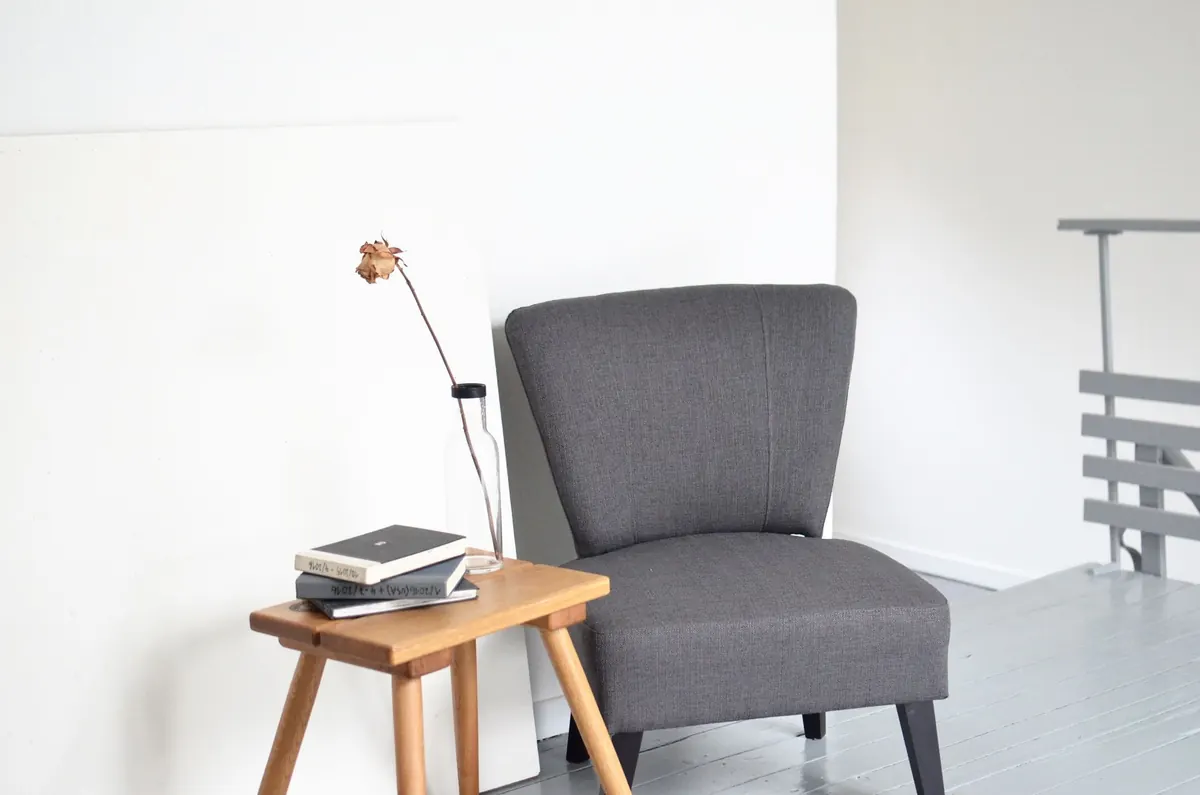
Photo: Prasanth Inturi / Pexels