

Common Mistakes Beginners Make in Meditation (and How to Avoid Them)
Most people who abandon meditation don't do it because they're bad at it. They stop because the first fortnight looks nothing like the calm, spacious thing they pictured. The mind chatters, the back aches, and the timer appears to be broken. None of that means you're failing. It means you've met the ordinary starting point, and nobody warned you it was ordinary.
Here are the traps beginners fall into most often, and what to do instead.
Expecting your mind to go quiet
You sit down, close your eyes, and within four seconds you're replaying a conversation from Tuesday. New meditators often assume this means they can't do it. In fact, noticing that you've wandered off is the practice. That moment of recognition is the reps. The mind wandering is not the failure; it's the raw material.
So instead of trying to stop thoughts, work on not following them. When you notice you've drifted, say "thinking" quietly to yourself and bring your attention back to the breath. If you need more of an anchor, count each exhale from one to ten, then start again at one. You'll lose count constantly. That's fine. Losing count and returning is the exercise, repeated.
Sitting in a way that hurts
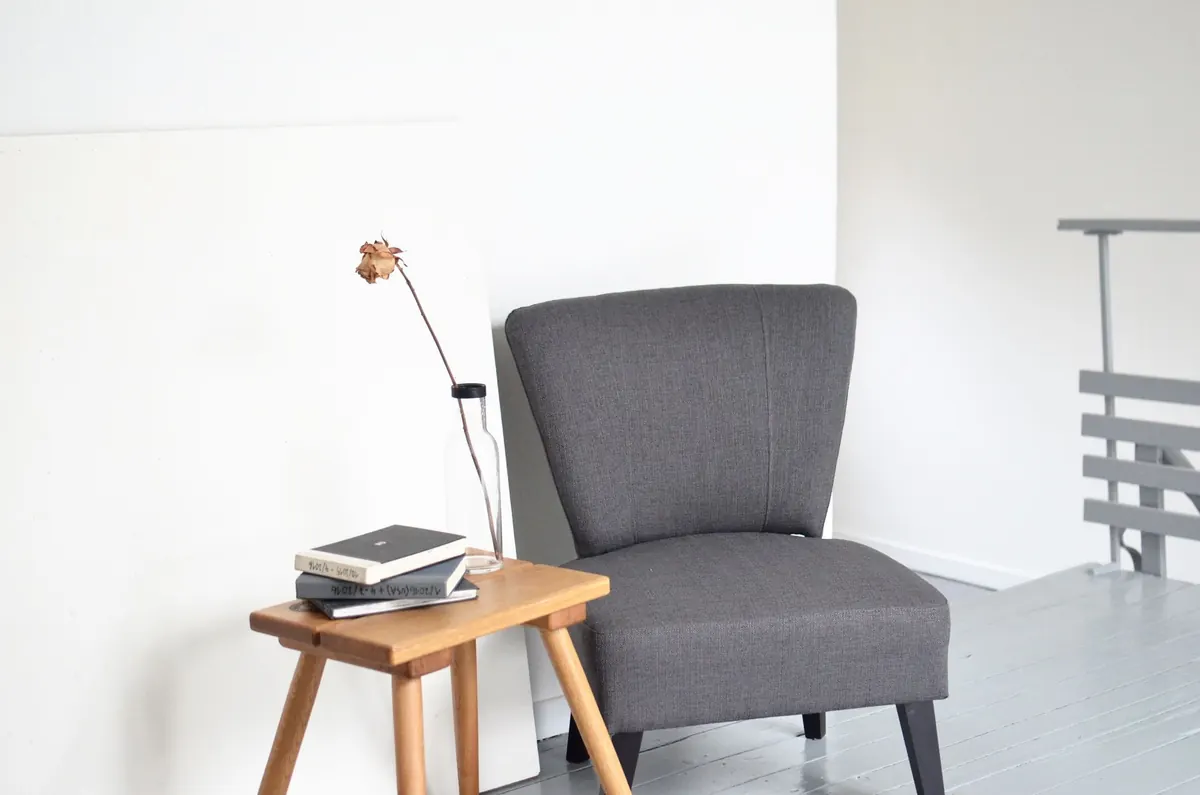
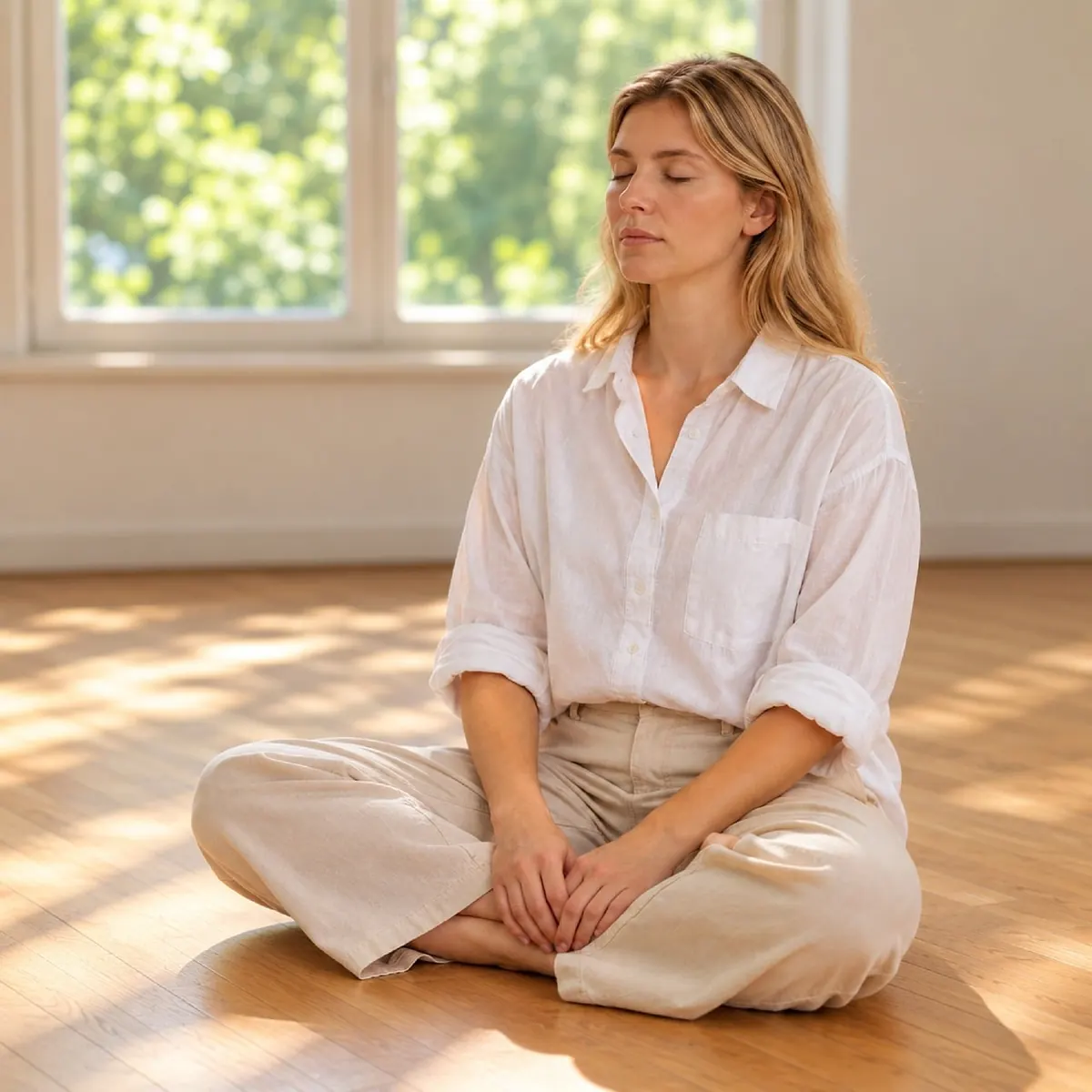
Cross-legged on a cushion is one option, not a requirement. Plenty of experienced meditators sit in a dining chair. What matters is that your posture keeps you awake without keeping you tense.
- Feet flat on the floor, knees roughly level with — or slightly below — the hips.
- Sit forward of the chair back so your spine supports itself, or use a cushion behind your lower back.
- Hands resting on your thighs, palms down or up, whichever feels settled.
- Chin very slightly tucked, shoulders softening down away from the ears.
- Eyes closed, or open with a soft, lowered gaze at a point on the floor.
Aim for upright and dignified rather than rigid. If something aches, adjust it. Discomfort doesn't earn you progress — it just gives your attention something loud to do. If you need to scratch, scratch deliberately, then return to the breath.
Watching the clock
Impatience is the most predictable obstacle there is. You sit down determined to do twenty minutes, and by minute three you're wondering whether the timer has frozen. That urge to check is restlessness, and it's part of what you're learning to notice.
Make it easier on yourself. Start with five or ten minutes a day, not thirty. Put the timer where you can't see it. And remember that five minutes done today beats an hour imagined for Sunday. Consistency builds the habit; duration can grow later, once sitting down no longer feels like a decision.
Chasing the good session
Some sits feel settled and spacious. Others are a slog from start to finish. It's tempting to treat the first kind as evidence you're doing it right and the second as proof you've lost it.
Try not to grade sessions by how they felt. Meditation is closer to brushing your teeth than to a spa day: the benefits accumulate quietly, and you rarely notice them in the moment. Chasing particular states — bliss, blankness, a tingling in the hands — tends to make you tense and distracted. Let the session be whatever it is, and put your effort into showing up rather than into feeling a certain way.
Stopping after a missed day
Missing a day is not a lapse in your practice. It's a Tuesday. The all-or-nothing thinking that follows — "I've broken the streak, I'll start again on Monday" — is what actually ends meditation habits.
Two things help. First, attach your sit to something you already do: after your morning tea, before your shower, once you've closed your laptop. An existing routine does the remembering for you. Second, agree in advance that on difficult days, two minutes counts. Sitting for two minutes keeps the thread intact, and the thread matters more than the length.
Being your own harshest critic
"I can't concentrate." "I'm terrible at this." That inner commentary does more damage than a wandering mind ever will. Talk to yourself the way you'd talk to a friend learning something new: with a bit of patience and no particular drama about it.
One sensible note. Meditation is generally gentle, but it isn't right for everyone in every season. If you have a history of trauma, or you find that sitting quietly leaves you anxious, low or overwhelmed, speak to your GP or a qualified meditation teacher before pushing on. Some practices suit some people better than others, and struggling with a particular technique isn't a personal failing. Meditation is also not a substitute for treatment when treatment is what's needed.
A simple reset for the next two weeks
Forget the hour-long sessions you've read about. Here's a plan you can actually keep.
- Choose one time and one place. Same chair, same slot in the day.
- Set a timer for five minutes and put it out of sight.
- Sit upright in a chair, feet flat, hands resting on your thighs.
- Let your attention rest on the feeling of breathing. Count exhales to ten, then begin again.
- When you notice you've drifted, note it kindly and return. Repeat as often as needed — this is the whole exercise.
- When the timer sounds, get up. No verdict on how it went.
Do that most days for a fortnight and you'll have something more valuable than a calm mind: a dependable habit. Then, if you'd like, add a minute or two. Quiet minds tend to arrive on their own once you've stopped demanding them.
Photo: u_43zoe6thn4 / Pixabay